Program
All times listed are in Central Daylight Time (CDT).
Pre-Forum Showcase
Monday, 15 June | Noon – 5 p.m.
Sam Baugh Indoor Practice Facility
Simpson Family Restoration Center
Come-and-go showcase featuring:
- Activation zone with performance testing
- Markerless Motion Capture training with the Southwest Research Institute (SwRI)
- Restoration Center tours (2 p.m. and 3 p.m.) and networking
TCU Global Human Performance Forum
Tuesday, 16 June | 7:30 a.m. - 4 p.m.
Legends Club at Amon G. Carter Stadium
The main event! A full day of sessions with leading voices in athlete engineering
and human performance research.
7:30 – 8:30 a.m.
Registration & Arrival
Check in and connect with fellow attendees over coffee and continental breakfast.
8:30 – 9 a.m.
Welcome & Opening Remarks
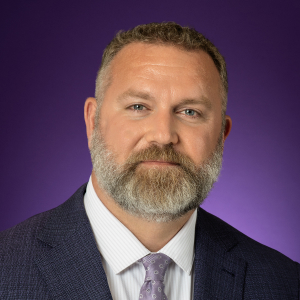
Reuben Burch, Ph.D.
Vice Provost for Research, Texas Christian University
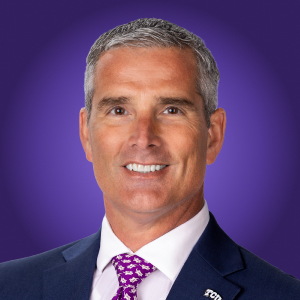
Mike Buddie
Director of Intercollegiate Athletics, Texas Christian University
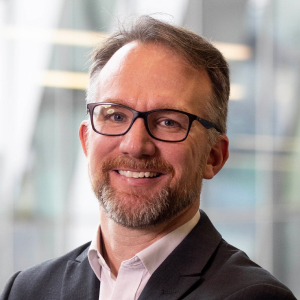
Brad Aisbett, Ph.D.
Head of School of Exercise and Nutrition Sciences, Deakin University
9 – 9:30 a.m.
Opening Keynote: From Data to Decisions in Human Performance
Examine how the rapid expansion of performance data is reshaping training, recovery,
rehabilitation and competition across all levels of sport. We'll also explore the
growing challenge of translating increasingly complex datasets into actionable insights
that coaches, practitioners and athletes can actually use in high-performance environments
and address the gap between collecting more information and making better performance
decisions.
9:30 – 10:15 a.m.
Session I
Coaching with Data — What Actually Changes Decisions
We'll explore how coaches and practitioners apply data within real training and competitive
environments, where decisions are often made under pressure and with incomplete information.
Panelists will examine where data meaningfully improves coaching strategy, athlete
management and performance outcomes—and where experience, communication and intuition
still play a critical role. The session will focus on practical application, decision-making
and the realities of implementation across elite sport.
Panelists
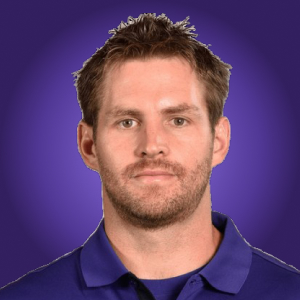
Zach Dechant
Assistant Athletics Director, Human Performance, Texas Christian University
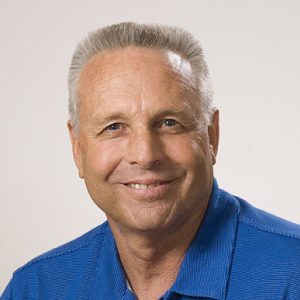
Vern Gambetta
Founder, GAIN Network
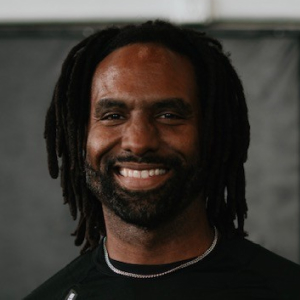
Bryan McCall
Strength and Conditioning and Human Performance Coach, United Training Systems

Lyndell Bruce, Ph.D.
Professor of Sport Science, Deakin University
Moderator
10:15 – 10:30 a.m.
Coffee & Networking Break
10:30 – 11:15 a.m.
Session II
Return-to-Play Readiness — Aligning Data, Risk and Accountability
Together, we'll examine how medical, performance and coaching staffs work together
to make high-stakes return-to-play decisions in elite sport. Discussions will focus
on how biomechanical data, workload monitoring, athlete feedback and medical evaluation
are integrated to balance performance readiness with athlete safety and long-term
health. The session will also address communication, organizational alignment and
accountability across the decision-making process.
Panelists
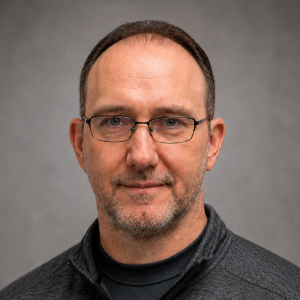
Steve Trocchio, PT, DPT
Head of Rehabilitation, United Football League (UFL)
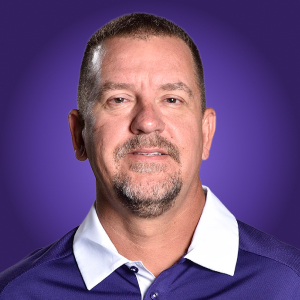
David Gable
Associate Athletics Director for Sports Medicine, Texas Christian University
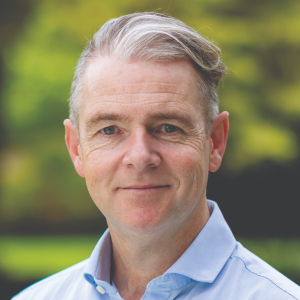
Brad Wright, Ph.D.
Associate Professor in Psychology, La Trobe University
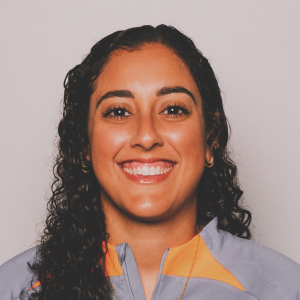
Wafaa Chatila
Medical Director, Houston Dash (NWSL)
Moderator
11:15 a.m. – Noon
Session III
Athlete Safety, Collisions & Concussions
A focused discussion on concussion, collision sports and the evolving understanding
of athlete safety and long-term health outcomes. Panelists will examine current research,
emerging technologies and practical challenges associated with injury prevention,
monitoring and recovery across multiple forms of football and sport. The conversation
will distinguish between established evidence, emerging science and the critical questions
that remain unresolved.
Panelists
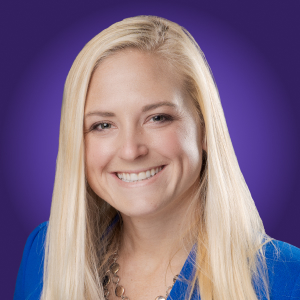
Bobby Jean Lee, PT, Ph.D.
Physical Therapy Clinical Coordinator, TCU Athletics

Dr. Michele Kirk, M.D.
Head Team Physician, TCU Athletics
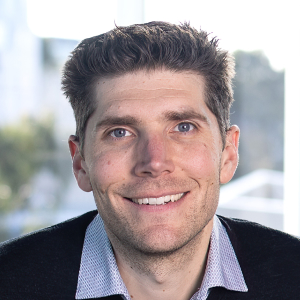
Spencer Roberts, Ph.D.
Alfred Deakin Postdoctoral Research Fellow, Deakin University
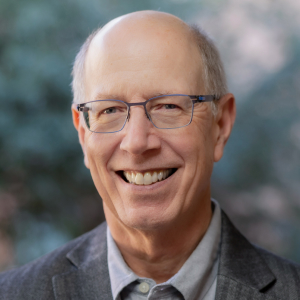
C. Munro Cullum, Ph.D.
Professor, Clinical Neuropsychologist and Concussion Specialist, UT Southwestern Medical
Center
Moderator
Noon – 1 p.m.
Lunch & Networking
1 – 1:45 p.m.
Session IV
Performance, Player Safety & Data Integration
Explore how organizations collect, connect and operationalize multiple streams of
performance and health data into cohesive systems that support athlete care and performance
optimization. Discussions will examine the challenges of integrating biomechanics,
workload management, recovery metrics and human performance information across departments,
technologies and staff. The session will also address the realities of implementation,
including communication, adoption, staffing and maintaining trust in the data.
Keynote Fireside Chat Panelists
Reuben Burch, Ph.D.
Vice Provost for Research, Texas Christian University
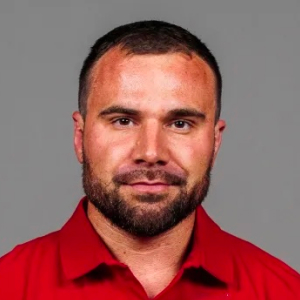
Anthony Piroli
Senior High Performance Consultant, University of Pittsburgh
1:45 – 2:15 p.m.
Special Announcement About the Future of Athlete Engineering at TCU
A special university announcement will highlight TCU’s growing commitment to human
performance research and the future of athlete engineering and recognize the supporters
and partners who help make it possible.
2:15 – 2:30 p.m.
Coffee & Networking Break
2:30 – 3:15 p.m.
Session V
Optimizing Performance Across All Forms of Global Football
This panel brings together leaders from multiple forms of football to examine how
different sports approach performance, athlete development, workload management, recovery
and player safety. While each code presents unique physical and tactical demands,
the discussion will highlight common principles shaping modern performance strategy
across global sport. Panelists will also explore how culture, scheduling, competition
structure and available resources influence decision-making and athlete care.
Panelists
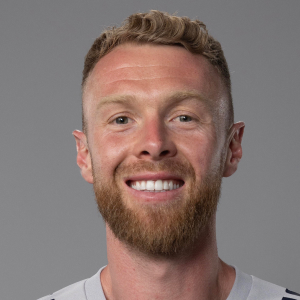
Sam Wilson
Lead Physical Performance Coach, Arsenal Football Club
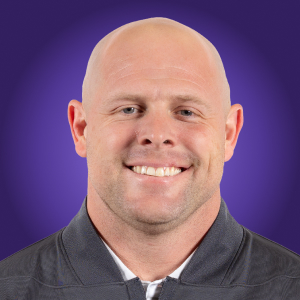
Darl Bauer
Assistant Athletics Director for Human Performance, TCU Football

Dominique Condo, Ph.D.
General Manager of AFLW, Geelong Cats Football Club and Director of Centre for Sport
Research, Deakin University
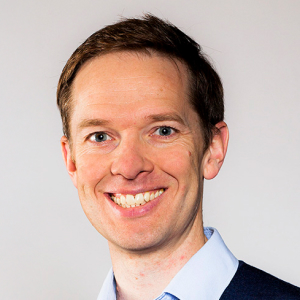
David Mann, Ph.D., MBA
Associate Professor, Vrije Universiteit Amsterdam
Moderator
3:15 – 3:45 p.m.
Closing Keynote
Where Performance Data Goes Next
A forward-looking discussion on the future of performance science, athlete monitoring
and decision-support systems in sport and human performance. The session will examine
how advances in technology, analytics, biomechanics, wearable systems and artificial
intelligence may shape the next generation of training and performance optimization.
It will also consider the broader implications for coaches, practitioners, researchers
and organizations operating in an increasingly data-driven environment.
3:45 - 4 p.m.
What's Next
Today’s conversations don’t end here. TCU and Deakin University’s commitment to human
performance research, athlete engineering and global partnership is accelerating.
Speakers & Panelists
(Listed Alphabetically by Last Name)
Head of School of Exercise and Nutrition Sciences, Deakin University
Aisbett is an award-winning educator and research supervisor, having supported more than 14 doctoral completions. His research focus on health, safety and performance in physically demanding occupations has attracted more than $3.3 million in competitive and industry-engaged research, produced over 130 peer-reviewed articles (H-Index of 43) with contributions that directly inform policy and practice nationally and internationally, shaping fitness-for-duty standards, fatigue and heat-stress management.
Assistant Athletics Director for Human Performance, TCU Football
Bauer was named TCU's assistant athletics director for football strength and performance in January 2026, where he leads the team charged with the development of the Horned Frogs' strength, nutrition, conditioning and speed efforts.
Prior to his arrival at TCU, Bauer spent two seasons at Troy University (2024-25), five seasons (2019-23) at University of Houston and 10 seasons at West Virginia University (2009-18). While at Houston, Bauer helped the Cougars post a 12-win season in 2021 and saw 12 players selected in the NFL draft. At WVU, Bauer was a part of nine bowl appearances and 30 Mountaineers selected in the NFL draft. Bauer previously worked as an intern at Eastern Michigan University with the football, men's basketball, women's soccer and women's volleyball teams.
He is a master strength and conditioning coach by the Collegiate Strength and Conditioning Coaches Association (CSCCA), the highest distinction in the strength profession. Bauer graduated with a bachelor's degree in physical education from Hillsdale College (2008) and a master's degree in athletic coaching education from WVU (2010). Bauer and his wife are the proud parents of four children.
Professor of Sport Science, Deakin University
A strong advocate for evidence-informed coaching, Bruce brings a systems-level perspective that bridges data analytics, human performance and leadership. At Deakin, she plays a central role in shaping sport as a priority specialization and advancing initiatives that enhance coaching capability, performance and participation across the sport ecosystem.
Vice Provost for Research, Texas Christian University
Burch is an inventor at scale, holding 49 patents that reflect a career built on translating ideas into real-world impact. His research spans industries, including widely adopted ruggedized handheld design technology characteristics developed during his time with FedEx that transformed the delivery of packages. At Mississippi State University, he founded the Athlete Engineering Institute, establishing a new interdisciplinary field that reimagines how data, performance and human systems intersect.
Now serving as vice provost for research at TCU, Burch brings that same builder’s mindset to advancing the university’s research enterprise. He was recruited to help propel TCU toward Carnegie R1 status; his leadership and influence are already evident in expanding research capacity, fostering cross-sector collaboration and accelerating scholarly output. As an inventor, researcher and strategist, Burch leads with a clear focus: turning bold ideas into measurable momentum for TCU.
Medical Director, Houston Dash (NWSL)
Chatila serves as the medical director for the Houston Dash, bringing 12 years of distinguished experience in athletic training, sports medicine and elite athlete performance. Her professional career includes four seasons in the NWSL, split between the Houston Dash and the Kansas City Current, alongside seven impactful seasons at the collegiate level.
Throughout her tenure in collegiate athletics, Chatila managed the health and wellness of diverse sports programs, including women’s soccer at Texas Tech University, women’s soccer and tennis at the University of Houston and men’s and women’s track and field at the University of Texas at Arlington. Additionally, she sharpened her specialized rehabilitation skills during a year in a clinical setting, focusing on post-operative recovery for complex shoulder, knee and elbow injuries.
Driven by an athlete-first philosophy, Chatila is deeply committed to hands-on care, proactive injury prevention and long-term athletic development. She excels at bridging the gap between medical, coaching and performance staffs to optimize player availability and manage injuries effectively.
General Manager of AFLW, Geelong Cats Football Club and Director of Centre for Sport Research, Deakin University
Condo is the general manager of Australian Football League-Women’s (AFLW) at Geelong Football Club and a senior lecturer in sports nutrition at Deakin University. With over a decade of experience in elite sport, she has worked across AFL and AFLW environments, leading high-performance strategy, athlete development and well-being initiatives.
With a background as a sports dietitian, Condo's work spans performance nutrition, sleep and athlete health with a particular focus on female athletes, body image and low energy availability. She has held leadership roles within Sports Dietitians Australia and currently contributes to multiple AFL industry working groups.
Condo is passionate about bridging the gap between research and practice to drive performance, well-being and sustainable success in high-performance sport.
Professor, Clinical Neuropsychologist and Concussion Specialist, UT Southwestern Medical Center
Cullum also serves as a neuropsychology consultant for the Dallas Stars and is a member of the NFL’s football research committee. He has over 300 peer-reviewed publications with most of his work focusing on short- and long-term outcomes from concussion, risk factors and neuropsychological characterization of neurodegenerative disorders of aging and telehealth technology in neuropsychology.
Assistant Athletics Director, Human Performance, Texas Christian University
Dechant arrived at TCU in 2008 and is the current assistant athletic director of human performance. He oversees the development of baseball. Alongside those priorities, he also handles the development and implementation of the TCU Sports Performance Internship Program that has been in place for over 15 years. Over that time, the internship program has encompassed more than 55 semesters and over 300 intern coaches who have moved on to all levels of professional, collegiate, high school and private strength and conditioning.
Prior to TCU, Dechant's experience includes two seasons with the Los Angeles Angels of Anaheim, two years at Missouri State University, as well as time spent with the University of Washington as an intern.
Dechant graduated with a bachelor’s degree in health and wellness from Missouri State University in 2003. He is certified through the CSCCa, NSCA, FMS-1 and the USAW.
Associate Athletics Director for Sports Medicine, Texas Christian University
Gable is entering his 24th season as the head athletic trainer for football at TCU and his 10th year as the associate athletics director of sports medicine. He is certified by the National Athletic Trainers Association and licensed in the state of Texas.
In addition to his primary responsibility of health care to the football team, Gable has oversight of 18 certified athletic trainers along with five athletic training facilities. He also serves as an approved clinical instructor within the CAATE-approved athletic training education program through the TCU Department of Kinesiology.
Gable's experience includes the Carolina Panthers, Kansas City Chiefs, Florida Bobcats, Birmingham SteelDogs, Birmingham Thunderbolts (XFL) and the Rhein Fire (NFL Europe) where he was the head athletic trainer and part of two world championship teams during his three years in Dusseldorf, Germany.
Gable is a native of Gering, Nebraska. He received his bachelor’s degree in education with an emphasis in athletic training from the University of Nebraska–Lincoln (1993) and his master’s degree in physical education/health and sports sciences from Ohio University (1994). Gable is also a veteran of the U.S. Army.
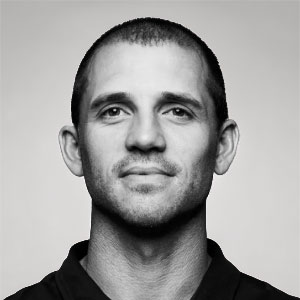
Professor and Director of Human Performance Center, Parker University
Galpin is a professor, scientist and executive director of the Human Performance Center at Parker University.
With a doctorate in human bioenergetics, Galpin has authored more than 100 peer-reviewed publications and presentations, with a research focus on skeletal muscle physiology and human performance. He is a fellow of the National Strength and Conditioning Association (NSCA). He also coaches some of the world's most decorated athletes from the NFL, MLB, UFC, NBA, PGA, boxing, Olympics and military special forces. Galpin is also a co-founder of Arete Lab, Vitality, Absolute Rest and BioMolecular Athlete.
In addition to his academic and consulting work, Galpin hosts the podcast “Perform with Dr. Andy Galpin,” where he aims to help listeners better understand and maximize their health and performance. Drawing on his two decades of experience with top-tier performers, the podcast explores advanced tools, technologies and strategies to help every human look, feel and perform at their best.
Founder, GAIN Network
As a pioneer in the field of human performance, Gambetta is considered the father of “functional sports training.” He is recognized internationally as an expert in training and conditioning for sport, having worked with world-class athletes and teams in a wide variety of sports. Gambetta is a popular speaker and writer on conditioning topics having lectured and conducted clinics in Canada, Japan, Australia, UAE and Europe. He has been a conditioning coach in Major League Soccer as well as the conditioning consultant to the U.S. Men’s World Cup Soccer. Gambetta is the former director of conditioning for the Chicago White Sox and director of athletic development for the New York Mets.
Gambetta's coaching experience spans 57 years at all levels of competition. His background is track & field, having coached at all levels of the sport. In addition, he served as the first director of the USATF Coaching Education Program, an innovative program designed to upgrade the standard of track and field coaching in the US. Gambetta has authored over 100 articles and seven books on various aspects of training. He received his BA from Fresno State University and his teaching credential with a coaching minor from University of California Santa Barbara. He attended Stanford University and obtained his MA in Education with an emphasis in physical education.
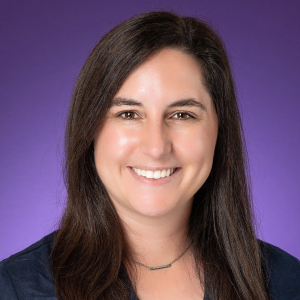
Assistant Professor of Health Sciences, Texas Christian University
Haag's research focuses on the mechanical determinants of human performance, particularly in sprinting and jumping, with an emphasis on sex differences. She integrates force plate and motion capture technologies to study performance across diverse populations, including athletes from recreational to elite levels.
Prior to academia, Haag worked in collegiate strength and conditioning and remains a certified strength and conditioning specialist (CSCS) through the National Strength and Conditioning Association. She has authored peer-reviewed publications in leading journals and presented her work at national and international conferences.
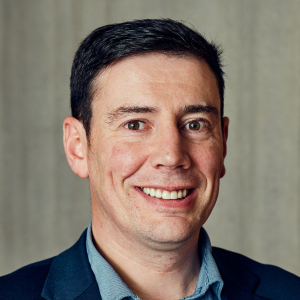
Head of School of Engineering, Deakin University
Horan's work spans applications in sport, health, safety and aged care, including concussion research and high-risk training contexts. He leads the CADET Virtual Reality Lab and has delivered major industry-partnered projects translating research into real-world impact.

Professor and Director of Athletic Training, Texas Christian University
Jevas has held leadership roles at the national, regional and state levels, including service with the National Academies of Practice, National Athletic Trainers’ Association and Southwest Athletic Trainers’ Association. She is a frequent presenter at athletic training and interprofessional conferences.
Head Team Physician, TCU Athletics
Outside of medicine, Kirk enjoys spending time with her family, reading, cooking and recovering from TCU football seasons. While she graduated from Texas A&M, she now bleeds purple. Go Frogs!
Physical Therapy Clinical Coordinator, TCU Athletics
Lee is a sports physical therapist and educator with over a decade of experience working with elite athletes. She earned a doctorate of physical therapy from Duke University and a doctorate from Texas Woman’s University, focusing on neurocognitive and neuromuscular changes following concussion. A fellow of the American Academy of Orthopaedic Manual Physical Therapists and dual board-certified clinical specialist in orthopedic and sports physical therapy, she specializes in concussion management, post-surgical rehabilitation and performance optimization.
Lee serves as physical therapy clinic coordinator for Texas Health Sports Medicine at TCU, overseeing a team of rehab providers for all Division I athletes. She mentors residents and students and lectures nationally on concussion and sports performance. Her work includes peer-reviewed publications, national presentations and professional service.
Outside of work, she is an endurance athlete, competing in long-distance running and Ironman triathlons, and enjoys reading and scuba diving.
Associate Professor of Talent Identification and Development in Sport, Vrije Universiteit Amsterdam
With a background in optometry, Mann partners with MLB teams using virtual reality to assess and train batting performance. Additionally, he serves as director of an International Paralympic Committee R&D Centre, developing classification systems for athletes with vision impairment.
Strength and Conditioning and Human Performance Coach, United Training Systems
Senior High Performance Consultant, University of Pittsburgh
Piroli is a high-performance practitioner and systems architect with two decades of elite American football experience spanning the NFL and NCAA Division I. He has held senior roles with the Arizona Cardinals, Mississippi State University and Tampa Bay Buccaneers, where he helped lead the integrated performance model culminating in their Super Bowl LV Championship.
Piroli's work lives at the intersection of strength and conditioning, sport science and organizational leadership with applied expertise in force-plate analysis, neuromuscular profiling, workload monitoring and readiness integration. He has co-authored peer-reviewed research on force-time characteristics and physiological adaptation and continues to contribute practitioner insight to league-wide NFL conversations on durability and performance.
His practitioner-researcher lens on how performance systems are built, integrated and sustained across complex, high-stakes environments makes him one of the field's leading authorities.
Alfred Deakin Postdoctoral Research Fellow, Deakin University
Roberts’ research also focuses on understanding individually modifiable factors, such as sleep, that may mitigate head impact risks and consequences. He has authored more than 40 peer-reviewed publications in high-ranking (Q1) journals, which have accumulated over 900 citations to date. Dr. Roberts has obtained over $1 million dollars (AUD) in external research funding. He is an accredited exercise scientist (AES) with Exercise and Sport Science Australia (ESSA).
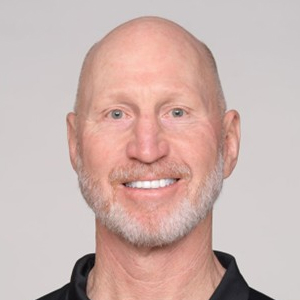
Former NFL Coach and Vice President of Sports Services, NexGen Hyperbaric
Rosburg is a distinguished leader in professional sports and veteran advocacy, bringing over 40 years of elite football experience to his role as vice president of sports services at NexGen Hyperbaric. A Super Bowl XLVII champion and former interim head coach for the Denver Broncos, Rosburg spent 11 seasons as associate head coach for the Baltimore Ravens, where he set league standards for special teams excellence and player development.
At NexGen, Rosburg bridges the gap between medical technology and athletic performance, spearheading Hyperbaric Oxygen Therapy (HBOT) integrations for premier NFL, MLB and NHL franchises. Beyond the field, he is a dedicated advocate for the veteran community, serving on the advisory board for Bravo Zulu House and collaborating with the Pat Tillman Foundation. A founding partner of the MarKEE coaching network, Rosburg remains a prominent voice in leadership, innovation and service-driven excellence.
Director of Rehabilitation, United Football League (UFL)
With a background that spans clinical practice and high-performance environments, Trocchio specializes in bridging the gap between rehabilitation and performance. His work emphasizes the integration of strength and conditioning principles into rehabilitation to optimize athlete readiness, durability and return-to-performance outcomes.
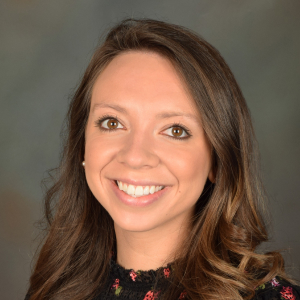
Division Director, Movement Science, Scottish Rite for Children and Assistant Professor, Orthopaedic Surgery, UT Southwestern
Ulman’s research is centered on lower extremity sports injuries, with a strong emphasis on female athlete health, ACL injury risk and sex-specific biomechanical factors that influence movement and performance. She is also an assistant professor in orthopaedic surgery at UT Southwestern Medical Center, an instructor of biomechanics in the prosthetics-orthotics program, and a mentor and advisor to doctoral students in the applied clinical research program within the UT Southwestern School of Health Professions.
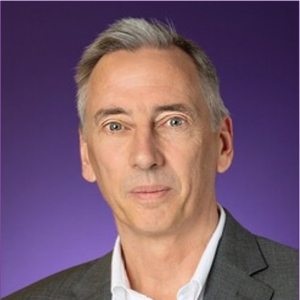
Chair of Kinesiology, Texas Christian University
Weyand's expertise on the scientific basis of performance has led to him serve as a lead investigator on a number of high-profile projects at the intersection of science, sport policy and practice. These include the mechanics of basketball flopping and the effects of artificial limbs on running and jumping performance. Weyand’s past research subjects have included antelope, emus, rodents and professional athletes with and without limb amputations.
Lead Physical Performance Coach, Arsenal Football Club
Wilson brings a unique perspective to elite performance, combining extensive strength and conditioning expertise with a UEFA A Coaching Licence. This rare blend of physical preparation and football coaching allows him to bridge the gap between performance science and on-field application. He is accredited by both the UK Strength and Conditioning Association (UKSCA) and the National Strength and Conditioning Association (NSCA) and holds advanced degrees in sports science and strength & conditioning.
Associate Professor in Psychology, La Trobe University
Wright is a neuropsychology and psychophysiology researcher at La Trobe University specializing in concussion and mild traumatic brain injury. His work integrates cognitive, physiological and technology-based methods to improve the assessment and management of brain injury.
He was the lead researcher in the development of CONVIRT, a virtual reality platform that combines immersive environments with eye-tracking to assess attention, decision-making and visual processing in ecologically valid settings. This approach is sensitive to subtle impairments often missed by traditional assessments, particularly in return-to-play decisions.
Wright’s research has been especially influential in high risk sports. Studies with professional athletes and jockeys show that combining cognitive testing with objective biomarkers (e.g., neurofilament light in blood) provides a more accurate indicator of recovery than symptom reporting alone, highlighting that neurobiological recovery can lag behind clinical symptoms.
Beyond assessment, CONVIRT incorporates nature-based guided breathing and relaxation to support autonomic regulation and recovery. Wright has also contributed to longitudinal research on the long-term cognitive and neurological effects of repeated head impacts across the lifespan.