TCU Explores the Revolutionary War Ahead of America’s 250th Anniversary
As the United States approaches its 250th anniversary, Texas Christian University
is looking back on the American Revolution. This year’s LCpl. Benjamin W. Schmidt
Symposium on War, Conflict, and Society is inviting audiences to reconsider the Revolution
not just as a founding moment but as a war with lasting human consequences.
Hosted by the TCU History Department, the symposium brings leading scholars to campus
each year to explore how war shapes people, communities and societies. This year’s
focus on the Revolutionary War uses the anniversary as an opportunity to ask deeper
questions.
“We need to periodically rethink this,” said Kara Dixon Vuic, LCpl. Benjamin W. Schmidt
Professor of War, Conflict, and Society in 20th-Century America. “What was this war
about, and how did all kinds of Americans experience it? Not just the people whose
names you know.”
Rethinking the American Revolution
While the Revolution is often told through well-known figures and ideals, the symposium
aims to expand that story.
Panels will highlight perspectives often left out of traditional narratives, including
Native American communities, enslaved individuals and civilians whose lives were disrupted
by war.
The goal is not to dismiss familiar figures but to understand them more fully.
“They might be heroes, but they might also be hypocrites,” Vuic said. “And they can
be both of those things at the same time.”
By broadening the lens, the symposium presents the Revolution as a complex conflict
with consequences that extended beyond the Colonies and across the world.
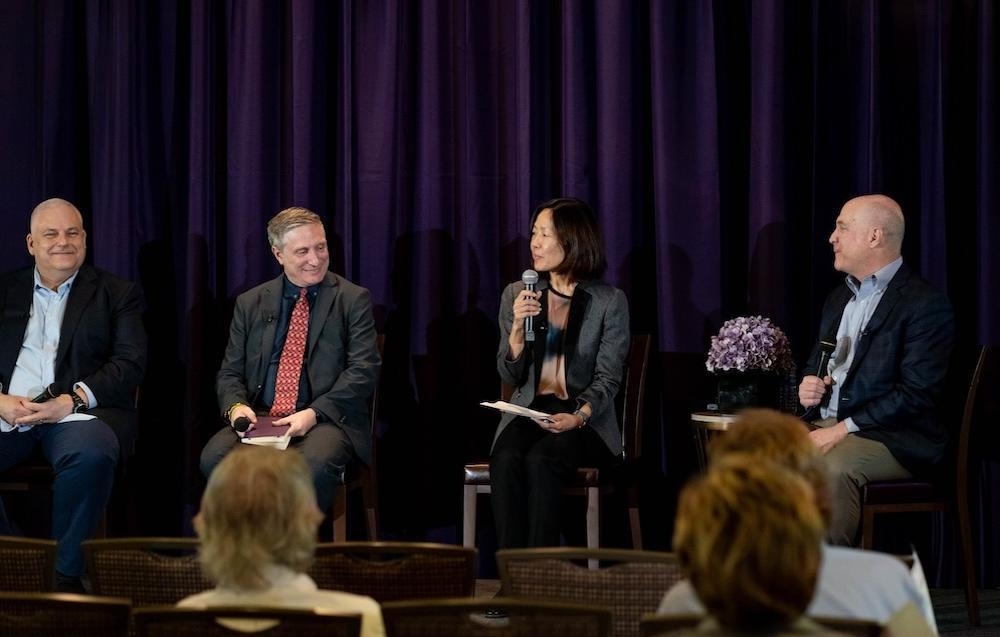
This year’s symposium includes a featured presentation from Sarah Botstein, Emmy-award-winning
documentary director and producer, and panelists from Columbia University, the George
Washington Leadership Institute, the University of South Carolina and more.
The Human Cost of War
At the heart of the symposium is a central idea: War is ultimately about people.
“The primary cost is people,” Vuic explained. “Our primary question about war is how
it affects people.”
Rather than focusing solely on strategy or outcomes, the symposium emphasizes the
human impact of conflict, lives lost, communities disrupted and the lasting effects
on individuals.
The symposium also serves as a bridge between academic research and a broader audience.
“It’s a way for us to take research and scholarship and make it accessible to the
public,” Vuic noted. “My hope is that we’re presenting it to the university community
and the public well.”
By bringing in scholars who can engage both academic and general audiences, the event
creates space for meaningful conversations beyond the classroom.
“Military history is a popular topic,” Vuic said. “If they leave with something new,
something they didn’t know beforehand, then that’s gold.”
Legacy and Impact
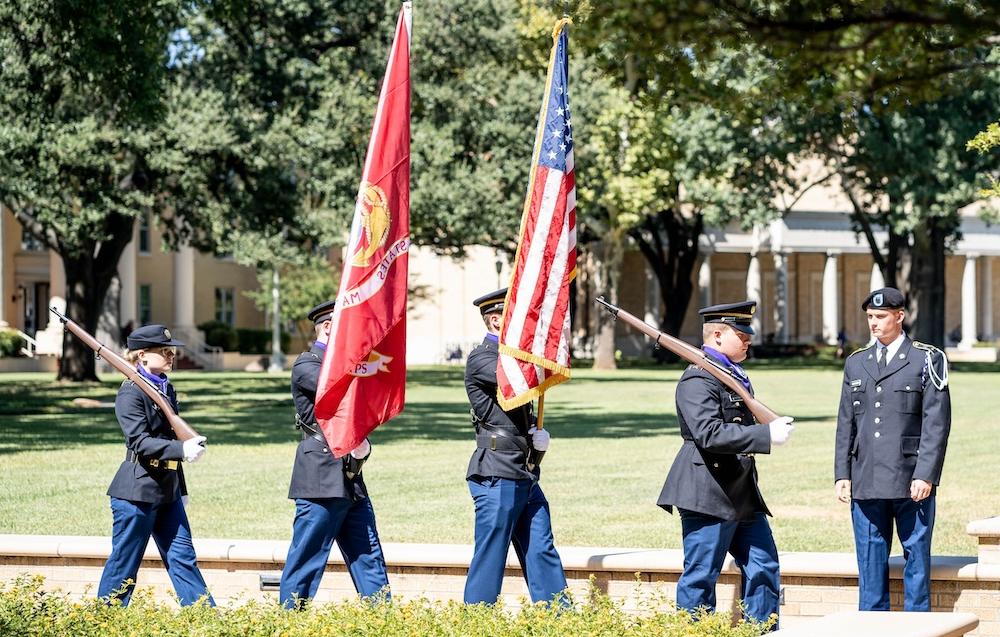
The symposium is named in memory of Lance Corporal Benjamin Whetstone Schmidt, a former
TCU student and Marine who was killed in Afghanistan in 2011. Created by his parents,
Dr. David and Teresa Schmidt, the event reflects his passion for history and his goal
of returning to TCU to complete his degree.
Each year, his story remains central to the event.
“Every time we tell the story of Benjamin, it’s a way for us to keep that memory alive,”
Vuic said. “It all started with him, and the symposium has just ballooned into this
amazing thing.”
Family members, fellow Marines and others connected to his life continue to attend,
reinforcing the personal meaning behind the symposium’s focus.
For students, the symposium offers opportunities to engage directly with scholars
and explore how history connects to broader questions about society and identity.
Vuic emphasizes that at its core, the symposium is designed to encourage curiosity
rather than provide easy answers.
“We don’t need them leaving feeling like they got all the answers,” she said. “We
need them leaving with more questions.”
That emphasis reflects a broader goal of examining history more deeply.
“I think it’s good that we ask harder questions about who we are as people,” Vuic
said. “The more complex, the better because it’s more accurate.”
This year’s LCpl. Benjamin W. Schmidt Symposium will take place April 10-11 at the
Dee J. Kelly Alumni & Visitors Center.
Learn more about the symposium.
-Riane Cleveland